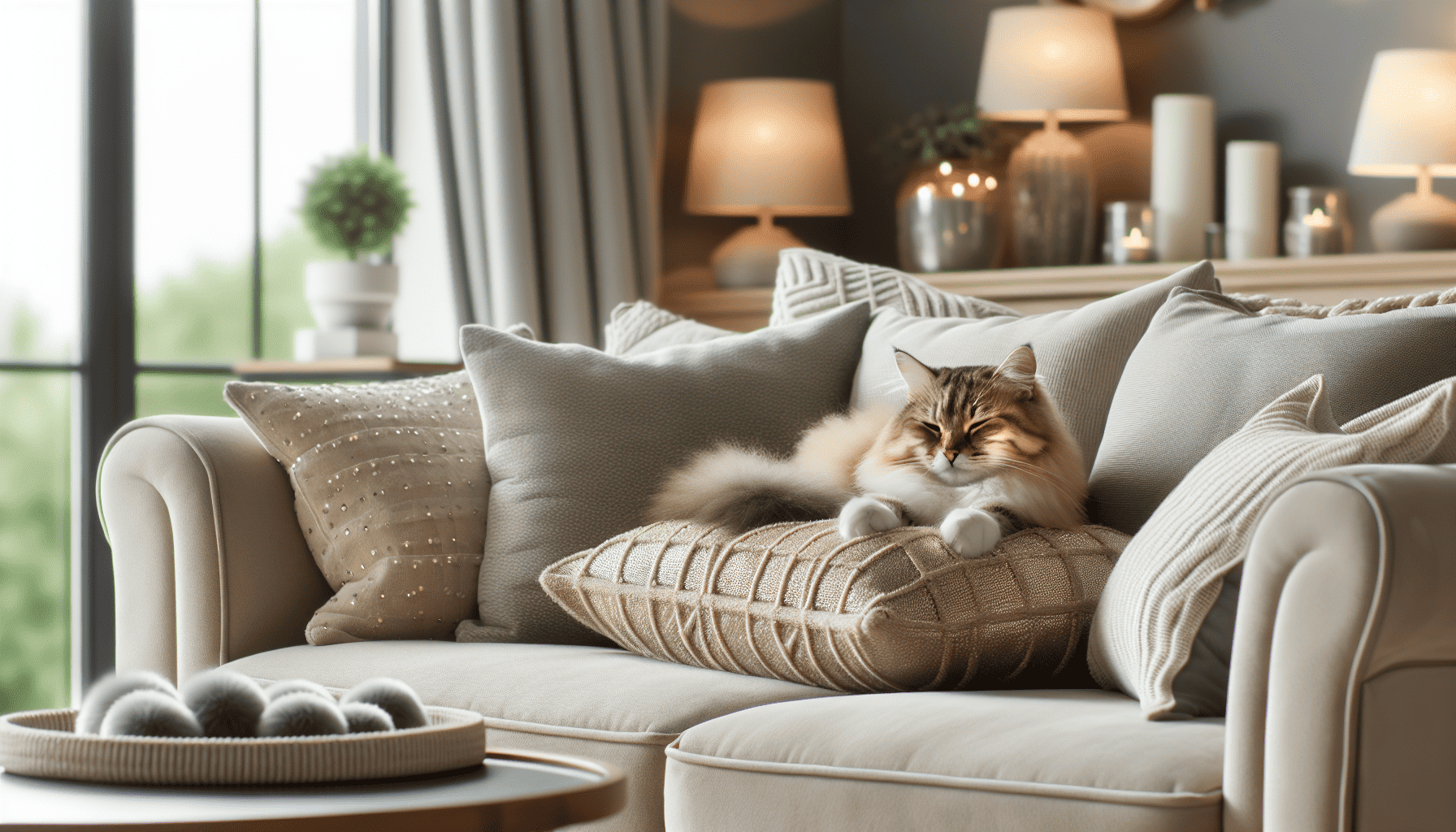
Creating a safe environment for your pets at home is essential for their well-being and your peace of mind. Pets, much like children, are naturally curious and prone to exploring every nook and cranny of your living space. By taking proactive measures, you can minimize risks and ensure your home is a sanctuary for your furry, feathered, or scaly family members. Here are some practical tips to help you pet-proof various rooms and outdoor spaces effectively.
Living Room Safety:
The living room is often where families spend most of their time, and it can also be a hotspot for potential hazards. Start by ensuring all electrical cords are out of reach or secured using cord covers. Consider using outlet covers to prevent pets from investigating sockets. If you have tall furniture, secure it to the wall to prevent accidents caused by climbing pets.
Keep small objects, such as remote controls, knick-knacks, and children's toys, off the floor and low tables. These items can easily become choking hazards. Plants can also pose a risk, as some are toxic to animals. Do a quick check to ensure that your houseplants are pet-friendly.
Kitchen Precautions:
Kitchens are filled with tempting smells and potential dangers. Install childproof latches on lower cabinets to keep cleaning supplies and food out of reach. Be mindful of foods that are toxic to pets, like chocolate, grapes, and onions, and ensure they are stored securely.
When cooking, keep pets out of the kitchen to prevent burns or cuts from hot surfaces and sharp utensils. It's also a good idea to use trash cans with secure lids to deter pets from scavenging.
Bathroom Basics:
The bathroom can be a source of curiosity for pets but can also house many hazards. Always close the toilet lid to prevent small animals from falling in. Store medications, cleaning products, and personal care items in cabinets with childproof locks.
Be cautious with water temperatures when bathing pets, ensuring they are lukewarm to avoid burns. Non-slip mats can also prevent accidents during bath time.
Bedroom Boundaries:
Keep personal items like jewelry, hair ties, and small electronics off nightstands and dressers to prevent chewing or choking. Secure loose wires, especially if your pet is inclined to nibble on them. Ensure that windows with accessible cords for blinds are securely tied up or removed to prevent strangulation risks.
For pets that sleep in the bedroom, provide them with a comfortable space, whether it’s a pet bed or a designated area on the floor.
Outdoor Area Awareness:
If you have a yard, start by securing the perimeter with a fence to prevent pets from wandering off. Check the area for any poisonous plants, and remove them promptly. Be cautious with fertilizers, pesticides, and other chemicals, choosing pet-safe options whenever possible.
Provide shaded areas where pets can escape the heat, and always have water available. If your pet loves to dig, designate a safe spot for them to indulge this instinct without causing harm to the garden or themselves.
General Maintenance:
Regular home maintenance also contributes to a safer environment. Keep floors clean and free of debris. Ensure all windows and screens are secure to prevent falls or escapes. Regularly check for loose nails, splinters, and other hazards your pet might encounter.
In conclusion, creating a safe environment for your pets involves anticipating potential risks and implementing measures to address them. By taking these steps, you can provide a secure, happy home where your pets can thrive. Remember, a safe environment is an ongoing process, so stay vigilant and adjust as needed to meet the evolving needs of your beloved companions.