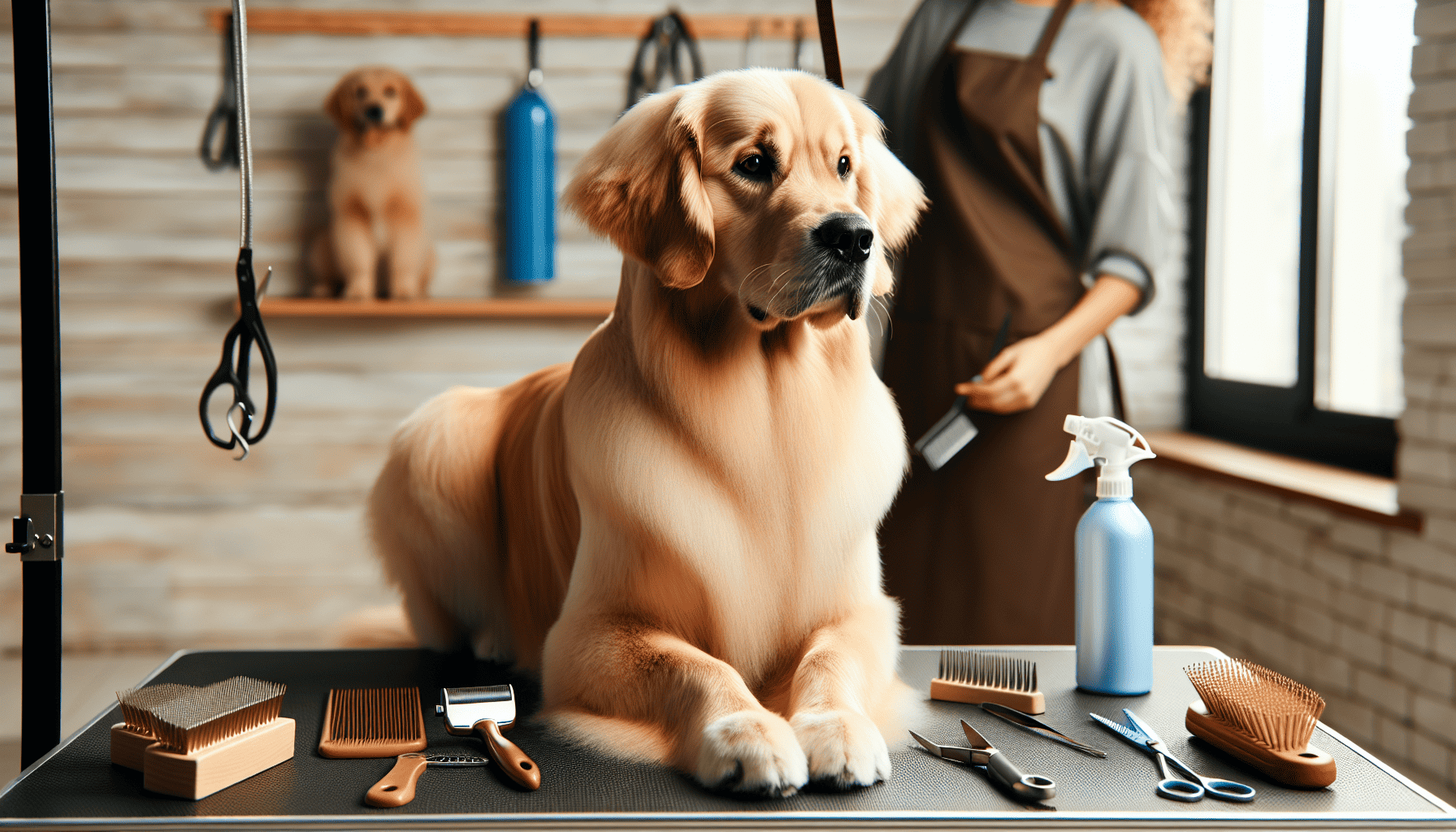
Grooming Techniques for Your Furry Companions
Grooming your pets is an essential aspect of their overall well-being. A well-groomed pet not only looks good but also feels great, contributing to their health and happiness. Whether you are a new pet owner or have years of experience, learning effective grooming techniques can enhance the quality of life for your furry companions.
Understanding Your Pet's Grooming Needs
Different pets require different grooming routines. The grooming needs of a long-haired cat differ significantly from those of a short-haired dog or a rabbit. Start by understanding the specific requirements of your pet’s breed and type. Consult your veterinarian or a professional groomer if you're unsure about the necessary care for your pet.
Essential Grooming Tools
Having the right tools is crucial for effective grooming. Here are some essential tools that can help:
-
Brushes and Combs: Choose a brush appropriate for your pet's coat type. A slicker brush works well for removing loose fur and detangling, whereas a bristle brush is better for short-haired dogs.
-
Nail Clippers: Regular trimming of your pet's nails prevents painful overgrowth and injuries. Use clippers suited to their size and nail type.
-
Ear Cleaners: Keeping your pet's ears clean is vital to prevent infections. Use a veterinarian-recommended cleaner and follow the instructions.
-
Shampoos and Conditioners: Select pet-specific, hypoallergenic shampoos and conditioners to keep their coat clean and healthy.
-
Dental Care Products: Dental hygiene is as important for pets as it is for humans. Use pet-friendly toothpaste and brushes or dental wipes.
Grooming Frequency
The frequency of grooming depends on the type of pet and its breed:
-
Dogs: Long-haired breeds generally need grooming every 4-6 weeks, while short-haired breeds may only require every 6-8 weeks. Regular brushing helps reduce shedding and maintains a healthy coat between grooming sessions.
-
Cats: Although cats groom themselves, long-haired breeds benefit from daily brushing to prevent mats and reduce shedding. Short-haired cats may need brushing once a week.
-
Rabbits and Guinea Pigs: These pets require gentle weekly grooming. Focus on brushing to remove loose hair and check for any signs of soreness or parasites.
Best Practices
-
Start Slowly: If your pet is new to grooming, begin with short sessions to get them accustomed to the process. Offer treats and praise to create a positive association.
-
Be Gentle: Handle your pet calmly and gently. Use slow, deliberate movements, especially when working with sensitive areas like ears and feet.
-
Create a Routine: Establish a regular grooming routine. Consistency helps your pet feel more comfortable and makes the process easier over time.
-
Check for Health Issues: Grooming sessions are an excellent opportunity to check for signs of health problems, such as lumps, skin irritation, or parasites. Consult with your vet if you notice anything unusual.
-
Stay Patient: Some pets may be resistant to grooming at first. Patience and gentle persistence can help them gradually become more accepting of the process.
By following these grooming techniques and maintaining a consistent routine, you can ensure that your furry companions not only look their best but also enjoy improved health and comfort. A little effort in grooming goes a long way in strengthening your bond with your beloved pets.