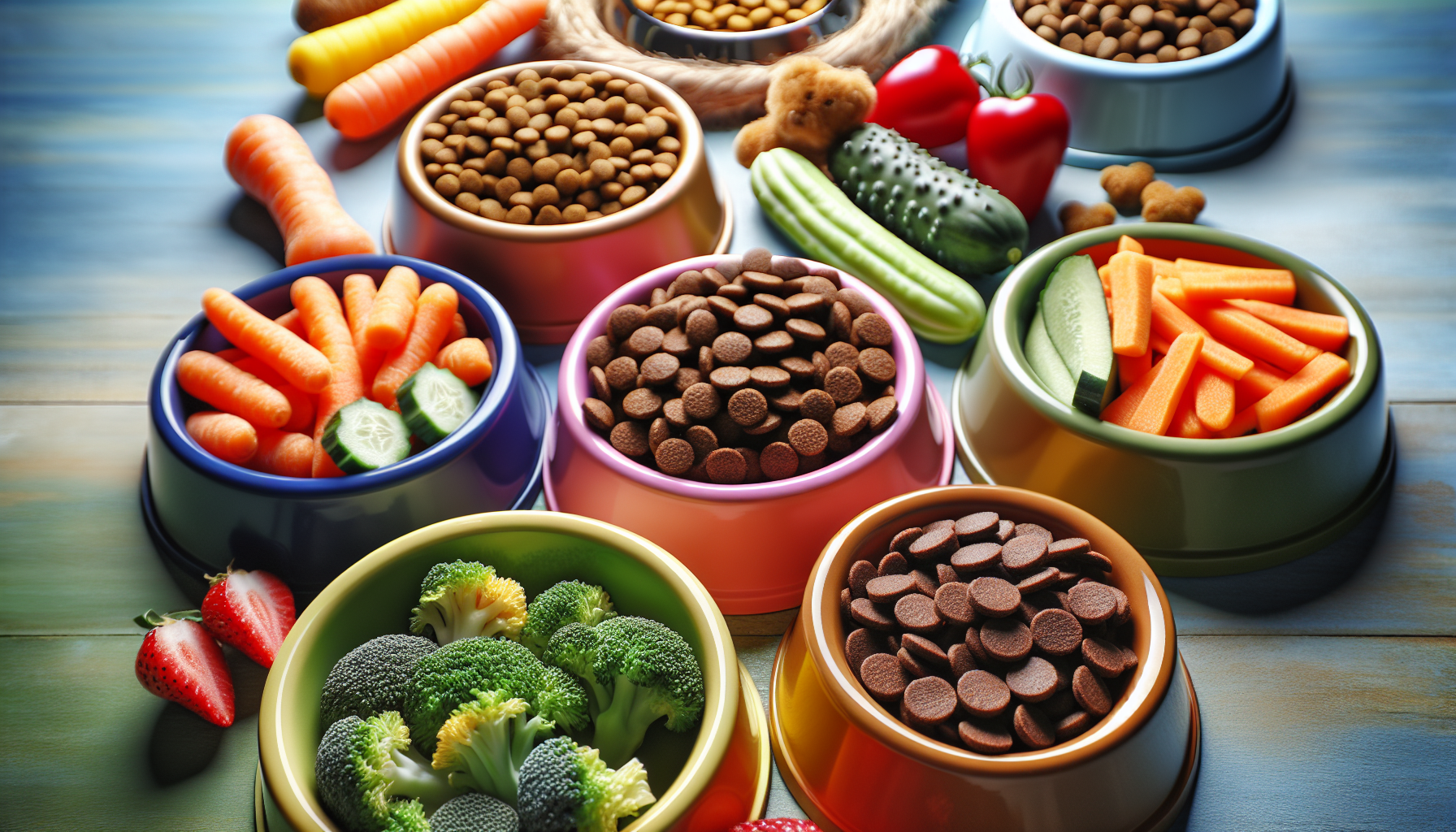
When it comes to our beloved pets, ensuring their health and happiness is a top priority. A crucial aspect of their well-being is proper nutrition, which can significantly affect their energy levels, longevity, and overall health. Understanding pet nutrition can feel daunting, but with some basic knowledge, you can make informed choices to keep your furry friends thriving.
Understanding Pet Nutrition Basics
Every pet has unique nutritional needs based on factors like species, age, size, and activity level. For instance, a growing puppy will require different nutrients compared to a senior cat. It is essential to provide a balanced diet that consists of proteins, carbohydrates, fats, vitamins, and minerals, tailored to the specific requirements of your pet.
Types of Pet Food
-
Commercial Pet Food: The most convenient choice for many pet owners is commercial pet food, which comes in dry, wet, or semi-moist forms. High-quality commercial food will provide balanced nutrition, but it's crucial to check labels for quality ingredients and avoid products with excessive fillers, by-products, or artificial additives.
-
Raw Diets: Some pet owners opt for raw diets, which typically consist of uncooked meat, bones, organs, and sometimes fruits and vegetables. Supporters of this diet argue it mimics what animals would naturally eat in the wild. However, it's important to note that raw diets require careful preparation to ensure they meet all of a pet's nutritional needs and are free from harmful bacteria.
-
Homemade Diets: Preparing homemade meals for your pets allows for complete control over their diet's ingredients. However, formulating a balanced recipe that provides all necessary nutrients can be challenging and should be done under the guidance of a veterinarian or a pet nutritionist to prevent nutritional deficiencies.
Tailoring Diets for Specific Pets
-
Dogs: Dogs are omnivores, meaning their diet can include both animal and plant-based foods. Protein is essential for their muscle development, while fats provide energy, and carbohydrates supply fiber. It's important to adjust portion sizes and ingredients based on the dog's life stage and activity level.
-
Cats: As obligate carnivores, cats require a diet rich in animal proteins. They need specific nutrients, such as taurine and arachidonic acid, which are found primarily in animal tissues. A diet lacking in these nutrients can lead to severe health issues.
-
Small Mammals: Pets like rabbits, guinea pigs, and hamsters each have unique dietary needs. For example, rabbits require a high-fiber diet predominantly consisting of hay, supplemented with fresh vegetables and a small number of pellets for balanced nutrition.
Common Dietary Mistakes to Avoid
-
Overfeeding: It is easy to overestimate portion sizes, leading to obesity, which can cause numerous health problems. Always follow feeding guidelines and adjust according to your pet's needs and weight.
-
Inadequate Hydration: Ensure your pets have constant access to fresh water, as dehydration can lead to serious health issues.
-
Feeding Harmful Human Foods: Many foods that are safe for humans can be toxic to pets, such as chocolate, onions, garlic, and some artificial sweeteners. Always research before sharing food with your pet.
-
Lack of Nutrient Variety: Sticking to a single type of food or brand can lead to nutrient imbalances. Consider rotating foods or mixing different types of diets to provide a variety of nutrients.
Conclusion
By understanding the basics of pet nutrition and being mindful of each pet’s specific needs, you can make choices that contribute to their overall health and happiness. Regular consultations with a veterinarian can provide valuable insights and help prevent potential dietary issues, ensuring your pet lives a healthy and joyful life.